The first Bowie record built on a keyboard rather than a guitar
Oh! You Pretty Things, demoed around December 1970, was probably the first song he wrote on piano, and most of the album followed in the same way in his flat at Haddon Hall, Beckenham.


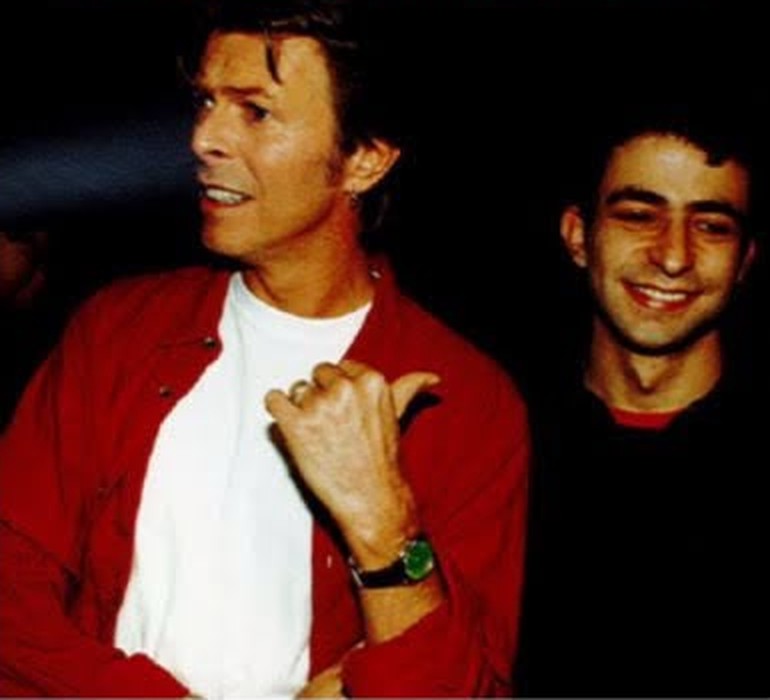
A view from inside Bowie’s world. Jonathan Wingate was David Bowie’s spokesman — every salon so far has had Jonathan telling the story; this one has him telling his own. Hunky Dory, played whole, three weeks after what would have been Bowie’s eightieth birthday.

No other Sleevenotes night has had this. Every salon so far has had Jonathan telling the story of a record. This one has him telling his own.
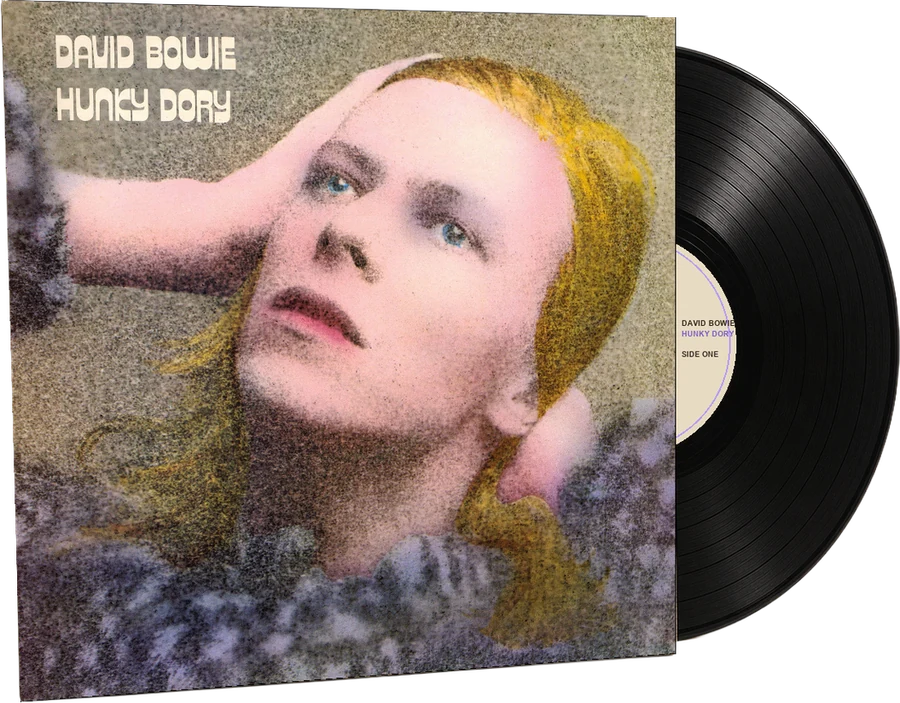
Hunky Dory is the record where Bowie found his own voice — written at the piano in Haddon Hall, in the spring his son was born. Fifty-five years old in December; fifty-five seats in January, three weeks after what would have been his eightieth birthday.
Eleven songs, four of them the ones people mean when they say Bowie. In December 1971 almost nobody bought it. Four reasons to hear it whole.
Oh! You Pretty Things, demoed around December 1970, was probably the first song he wrote on piano, and most of the album followed in the same way in his flat at Haddon Hall, Beckenham.
Wakeman, still a session player and months from joining Yes, played Trident's house grand, the same instrument Paul McCartney used for Hey Jude. He later said it was at its best for two or three years, and that Bowie used it a great deal.
Side two holds three songs about artists he admired: one named for Warhol, one for Dylan by his birth name, Robert Zimmerman, and Queen Bitch, which the sleeve note returns to the Velvet Underground “with thanks”.
RCA did little to promote it and it did not chart on release. It first entered the chart in September 1972, after Ziggy Stardust, and climbed to No. 3 in August 1973. Bowie later said it gave him, for the first time, an actual audience.
Come up and find a seat. Fifty-five of them, every one close.
Presented by Jonathan Wingate — where the record came from, how it was made, the myth and the meaning.
Let the first half settle.
Hunky Dory end to end. Lights low, phones away — and a visual journey by The Screens, made for this record, the only light in the room.
Heath Street at night, with the record still turning in your head.
Read them before the night, or after. Each one stands on its own.
IIDavid BowieFrom Brixton to Beckenham — and three names before the one that stuck.Thirteen frames from a lifeRead →
IIIThe year around it1971. Decimal Day, a car on the Moon — and T. Rex at the top.12 moments from 1971Read →
IVThe makingEight weeks at Trident, in a Soho court.9 dates, and the creditsRead →
VThe recordEleven songs, heard whole.11 songs, each with its screen worldRead →
VILiner notesThings worth knowing before the needle drops.7 notes, and what came afterRead →
·The host & the roomJonathan Wingate in the chair, at 28 Heath Street.Presented by · where you’ll hear itRead →